 FetishModel
Latex Modeling: Getting Started
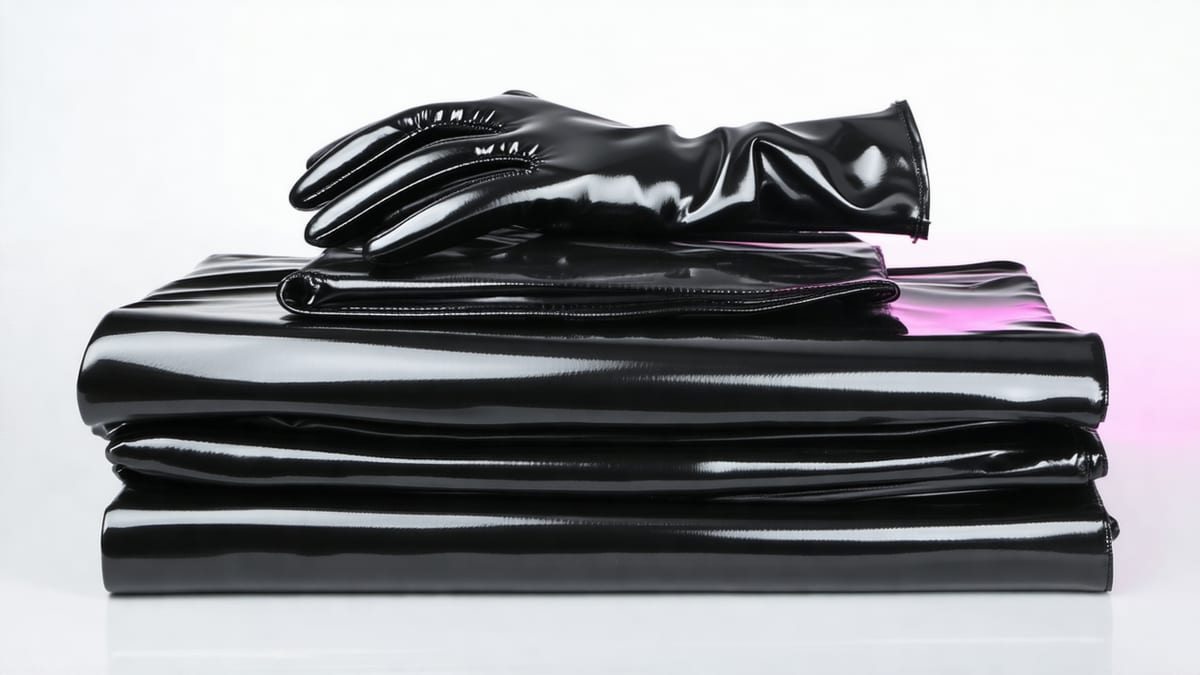
What latex modeling is
Latex, and rubber with it, is one of the biggest and most photogenic fetish-fashion niches there is: glossy, sculptural, striking on camera before you’ve done anything at all. Latex modeling means shooting or making content in latex garments, the catsuits, dresses, gloves, and hoods, whether that’s for fetish photographers, fashion-fetish editorials, or your own channel. It sits right on the seam between fashion and fetish, and that strong visual identity makes it a good lane to build a recognisable brand inside.
Gear and dressing

Latex asks for preparation. You dress with talc or silicone lube to get it on cleanly, then “shine” the surface with a polish or a spray for the mirror finish that photographs. Begin with one versatile hero piece, a catsuit or a dress, plus a few accessories, rather than kitting out a whole wardrobe at once. Budget is the real decision: off-the-rack basics are affordable, a good catsuit is the jump, and custom-fit pieces photograph best while costing more. Do a test dressing at home before any shoot.
Shooting it well
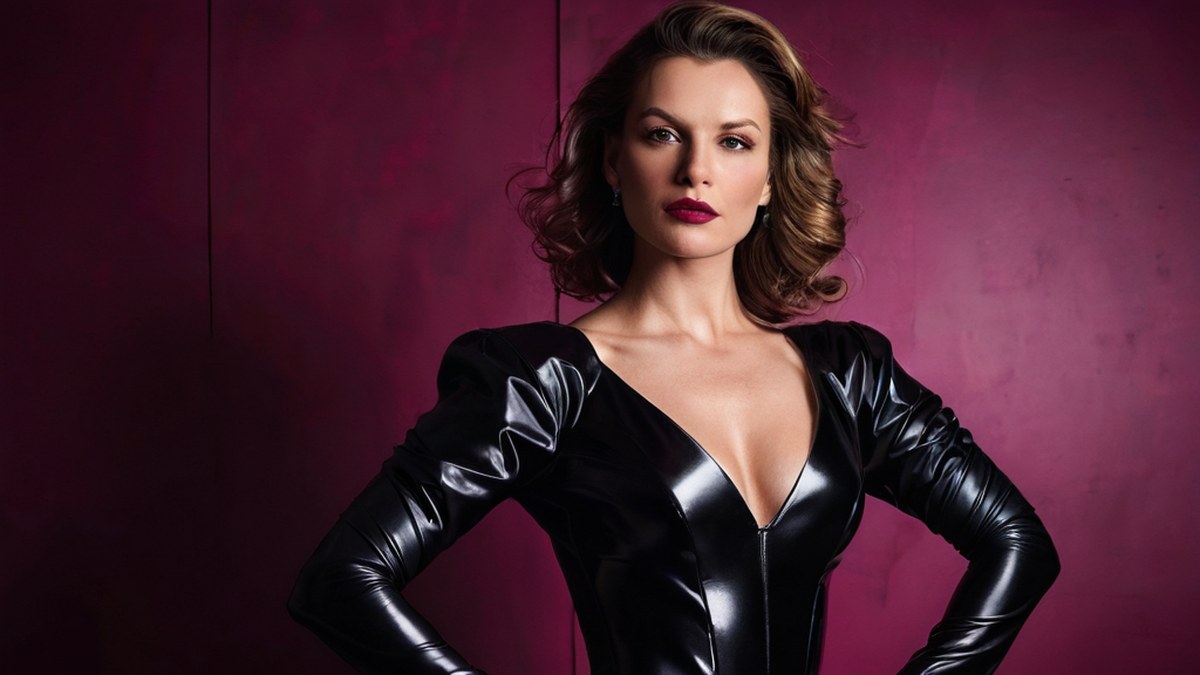
Latex lives or dies on shine and light. Flat, even lighting on a polished surface is what makes it glow. Watch for creases, dust, and fingerprints, and keep a polish cloth on set. Mind the practical safety too: latex doesn’t breathe, so keep an eye on heat and hydration, make sure any hood has airflow, and check for latex allergies before anyone commits to a piece. Learn the dressing and care ritual and the modeling turns easy, because the material does half the work for you.
In practice
Latex modeling is as much about the dressing ritual as the shoot itself. You talc up or lube in, work the garment on smoothly, then polish it to a mirror shine before the camera ever sees it. Creases, dust and fingerprints all show, so a shine cloth stays busy through the set. Once you are in and shined, the material does half the job: it sculpts the silhouette and catches light dramatically, so the modeling comes down to clean lines and letting the latex glow under flat, even lighting. Regulars keep hero pieces they know fit and photograph well, and they treat heat and airflow as real considerations, since latex doesn't breathe.
For beginners
Begin with one versatile piece, a catsuit or a dress, plus accessories, and learn to dress with talc or silicone lube (never oil, which degrades latex) before any shoot. Check for a latex allergy first. Practise shining it at home, keep a polish cloth handy, and watch heat and hydration even in partial coverage. Flat, even light on a well-polished surface is the whole secret to making latex look incredible.
For experienced models
Veteran latex models build a curated wardrobe of well-fitting hero pieces, some of it custom, master dressing and shining into a fast routine, and know exactly which lighting makes each garment glow. Full-coverage and hood work gets handled with proper heat and airway awareness, gear gets maintained meticulously, and latex's strong visual identity anchors a recognisable brand. The material's drama comes free. Their real edge is production polish, fit, and consistency from shoot to shoot.
FAQ
How much does latex cost for modeling?
Off-the-rack basics (gloves, stockings, a simple dress) are affordable; a good catsuit is the big jump, and custom-fit pieces cost several times more but photograph best. Start with one versatile hero piece plus accessories.
How do you shine latex for photos?
Dress with talc or silicone lube to get it on cleanly, then buff the surface with a polish or shine spray and a cloth. Flat, even lighting on a polished surface gives latex its signature mirror glow.